

Cut — how it sparkles.
Cut is the most important of the four Cs — and the most misunderstood. It isn't the shape of the diamond. It's the precision of its facets, and the way they catch and return light.
A well-cut diamond returns light like fireworks. A poorly-cut diamond — even with perfect colour and clarity — will look dull and lifeless. If you spend on only one C, spend it here.
Cut is the only C a human controls.
A diamond's colour, clarity and carat are all set by nature. Cut is decided by the cutter. It's the angles of the facets, the depth of the pavilion, the symmetry of the table — the geometric precision that decides what the stone does with light when light hits it.
A cutter who maximises for carat weight will leave a stone too deep or too shallow — heavier on the certificate, but visibly duller in person. A cutter who maximises for light return will sacrifice a small amount of weight to nail the proportions, and the resulting stone will catch fire across a room.
The cut grade scale
Three things a great cut produces.
Diamond cutters and gemmologists talk about three optical effects. Each one comes from precision in the facets:
Brilliance — the white light that returns from the diamond. The "shine".
Fire — the rainbow flashes you see when the stone moves. Coloured light dispersion.
Scintillation — the on-off sparkle pattern as the stone or the viewer moves. The diamond's "personality".
A stone graded Excellent will produce all three in abundance. A stone graded Good or Fair will produce them weakly — and you'll notice it before you read the certificate.
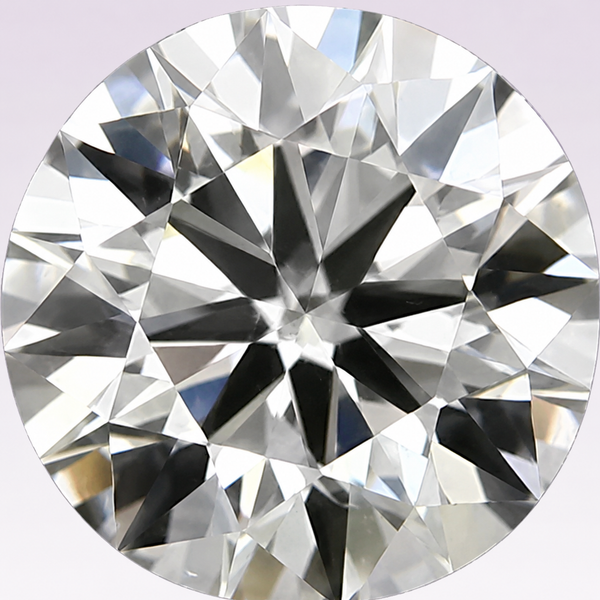
The duller stone
Cut too deep. Light enters but bounces out the side rather than back up through the top. Appears smaller and darker, despite identical carat weight.
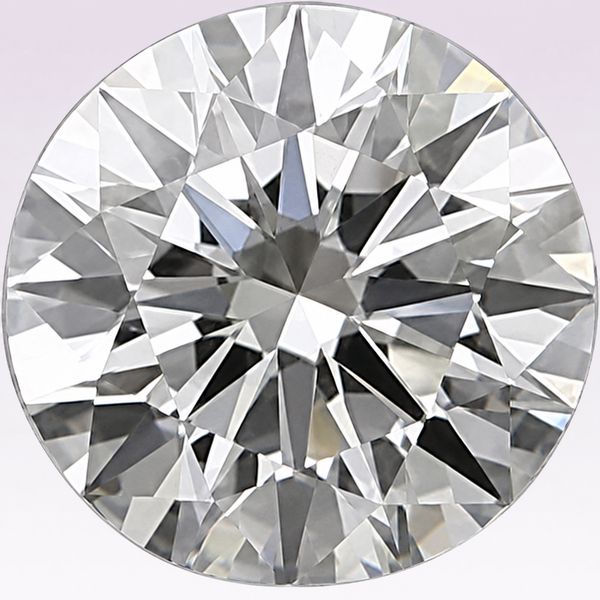
The brilliant stone
Light enters, reflects internally, and returns through the table in maximum quantity. Appears larger, brighter, more alive — even though the carat is identical.
Some shapes forgive less.
Round brilliants have a fully standardised cut grade. Fancy shapes (oval, pear, marquise, etc.) don't — they're graded on polish and symmetry only. For fancies, you have to look at the actual proportions: length-to-width ratio, depth, table size.
This is why we hand-inspect every fancy-shape stone before shortlisting. A "Very Good" fancy can be brilliant; an "Excellent" one can have a dark "bow tie" through the centre that nobody warned you about.
If you only remember three things
- Spend on cut first. Compromise on colour, clarity or carat before you compromise on cut.
- Never buy below Excellent for rounds. The price difference between Very Good and Excellent is small. The visible difference is huge.
- Fancy shapes need eyes, not certificates. Always have someone inspect the stone in person before you commit.
Search Excellent-cut diamonds in your budget.
Filter hundreds of thousands of certified diamonds by cut grade, shape and price. We'll inspect your shortlist in person before you commit.